Planetary Transits: Your Cosmic Weather Forecast
While your natal chart is fixed, the planets never stop moving. Transits reveal how the current celestial climate activates your birth chart, triggering opportunities, challenges, and windows of transformation.
See Your Current Transits→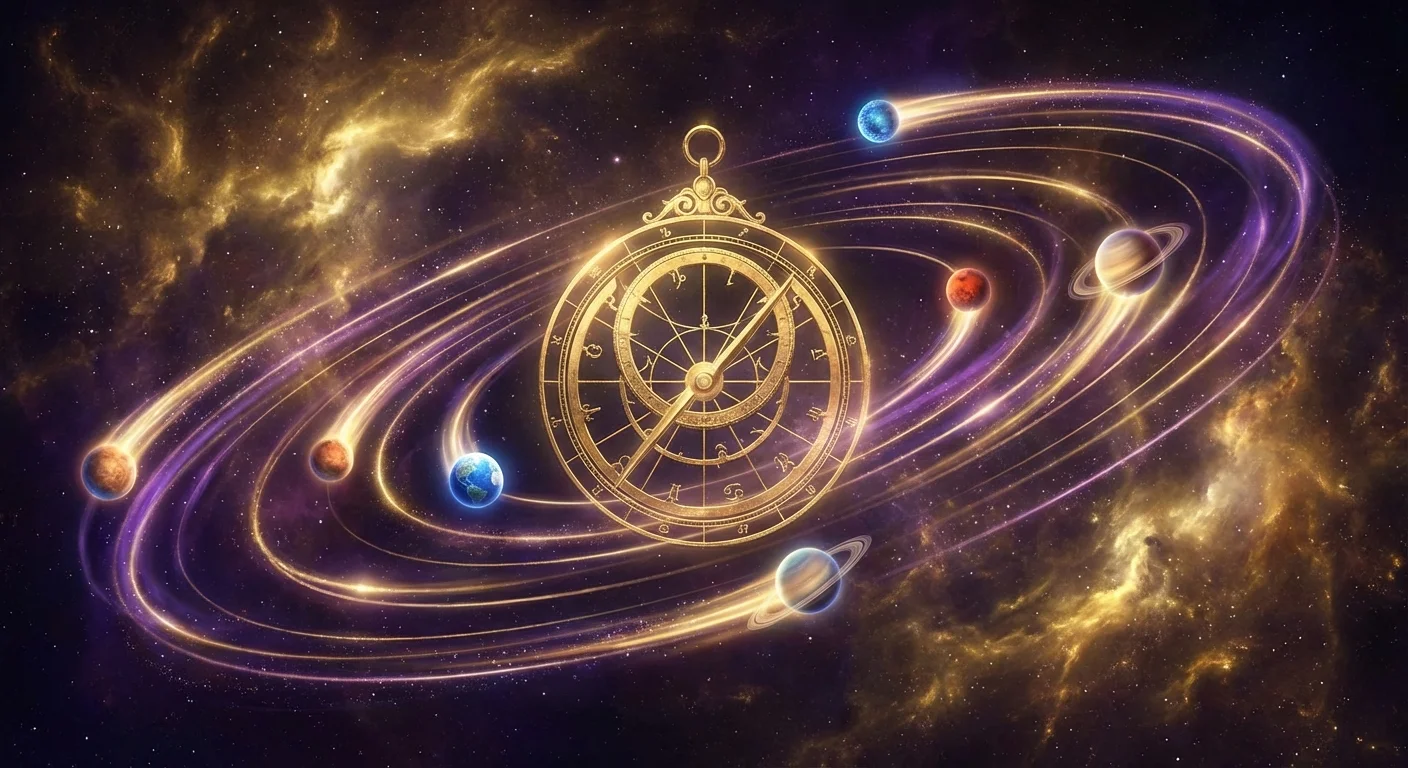
🌠What Are Transits?
Imagine your natal chart as a garden planted at birth. The soil (houses), seeds (planets), and layout (aspects) are set. But the weather changes daily—and that weather is transits. Sometimes the cosmic climate brings rain that helps your garden flourish; other times, storms test your roots.
When a transiting planet forms an aspect to one of your natal planets, it "activates" that part of your chart. A Jupiter transit might bring growth and opportunity. A Saturn transit might demand discipline and restructuring. A Pluto transit might trigger deep transformation.
The key insight of transit astrology is timing. Understanding transits helps you know when to push forward and when to consolidate, when to start new ventures and when to complete old ones.
Major Life Transits Everyone Experiences
These transits mark universal turning points—cosmic initiations that coincide with major life phases.
Saturn Return
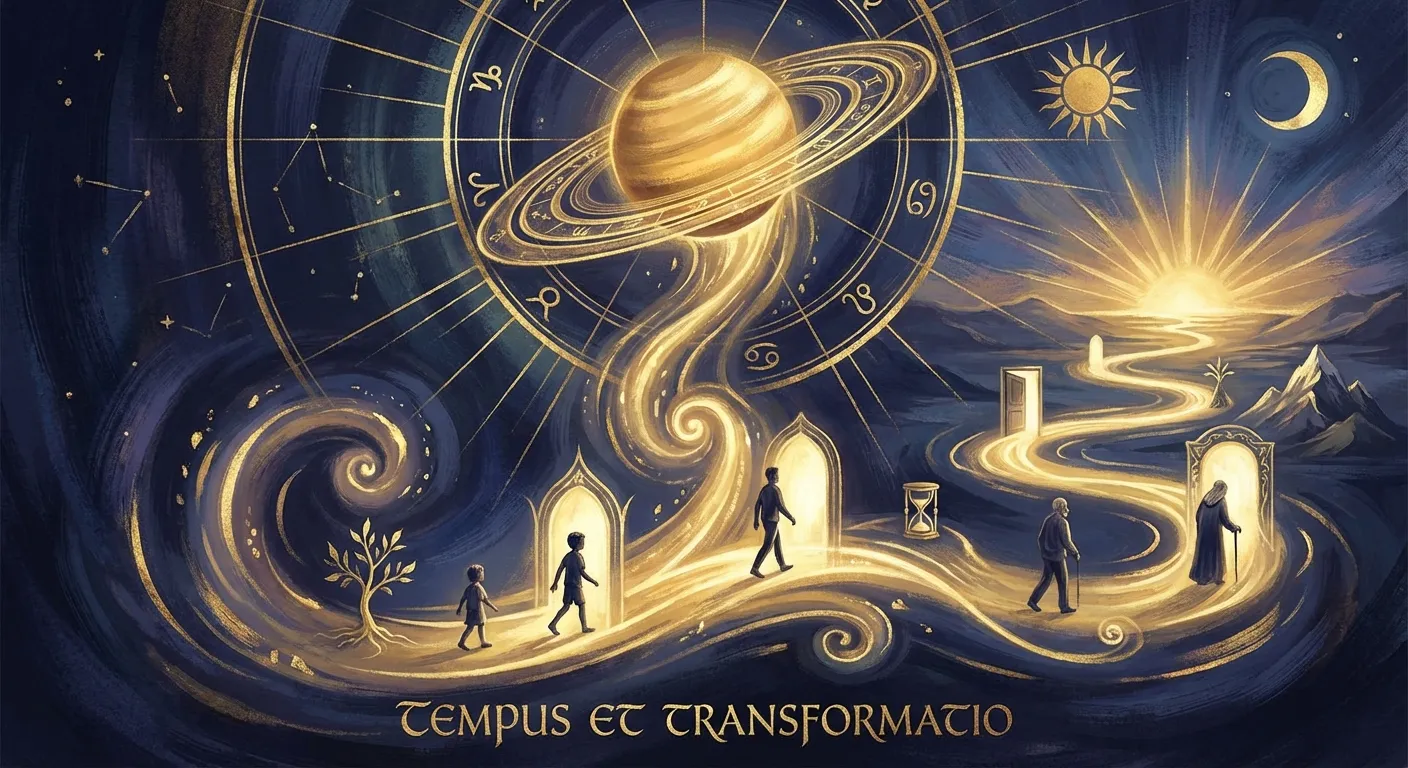
The most significant transit of adulthood. Saturn returns to its natal position every ~29 years, demanding you take full responsibility for your life. Often triggers major life restructuring—career changes, relationship shifts, or newfound maturity.
Uranus Opposition
The astrological "midlife crisis." Uranus opposes its natal position, triggering an urge for freedom, authenticity, and breaking free from what no longer serves you. Can feel like an awakening or rebellion.
Chiron Return
Chiron, the "wounded healer," returns to its birth position around age 50. This transit brings core wounds to the surface for final healing, often allowing you to become a healer for others.
Jupiter Return
Jupiter returns every 12 years (ages 12, 24, 36, 48...), bringing expansion, optimism, and new opportunities. These are often years of growth, luck, and positive new beginnings.
North Node Return
The North Node represents your soul's purpose. When it returns to its natal position (ages ~19, 37, 56...), you're pulled toward your destiny with particular strength.
⟲Understanding Retrograde Motion
When a planet is "retrograde," it appears to move backward through the zodiac from Earth's perspective. This is an optical illusion caused by orbital mechanics, but symbolically, retrograde periods turn a planet's energy inward.
Rather than moving forward with new initiatives, retrograde periods favor re-viewing, re-vising, re-connecting, and re-considering. They're not inherently negative—they're invitations to slow down and reflect.
Retrograde Survival Guide
| Planet | Frequency | Effects | Advice |
|---|---|---|---|
☿Mercury | 3-4 times per year ~3 weeks | Communication snafus, technology glitches, travel delays, misunderstandings | Review, revise, reconnect. Avoid signing contracts or buying electronics if possible. Great for finishing old projects. |
♀Venus | Every 18 months ~40 days | Relationship reassessment, ex-partners returning, questions about values and desires | Reflect on what you truly love and value. Not ideal for new relationships or major beauty procedures. |
♂Mars | Every 2 years ~10 weeks | Decreased energy, frustration, anger issues, stalled projects | Reassess how you pursue goals. Work through anger constructively. Avoid confrontations. |
♃Jupiter | Annually ~4 months | Internal growth, philosophical reflection, less external expansion | Focus on inner wisdom rather than outer achievement. Good for spiritual study. |
♄Saturn | Annually ~4.5 months | Karma review, restructuring commitments, testing foundations | Review your responsibilities and structures. Release what no longer serves your growth. |
🧭Working Consciously with Transits
▲ Jupiter & Venus Transits
These "benefic" transits bring expansion, opportunity, and ease. Use them to start new ventures, ask for what you want, take calculated risks, and expand your horizons. Don't let these windows pass while waiting for "perfect" conditions.
◆ Saturn Transits
Saturn transits demand discipline, responsibility, and long-term thinking. Don't fight them—use them to build solid foundations, commit to what matters, and release what no longer serves you. Saturn rewards hard work and punishes shortcuts.
✦ Outer Planet Transits
Uranus brings sudden awakening and liberation. Neptune dissolves boundaries and heightens spirituality (beware of delusion). Pluto transforms through destruction and rebirth. These slow-moving transits reshape you over years—surrender to the process.
☊ Lunar Node Transits
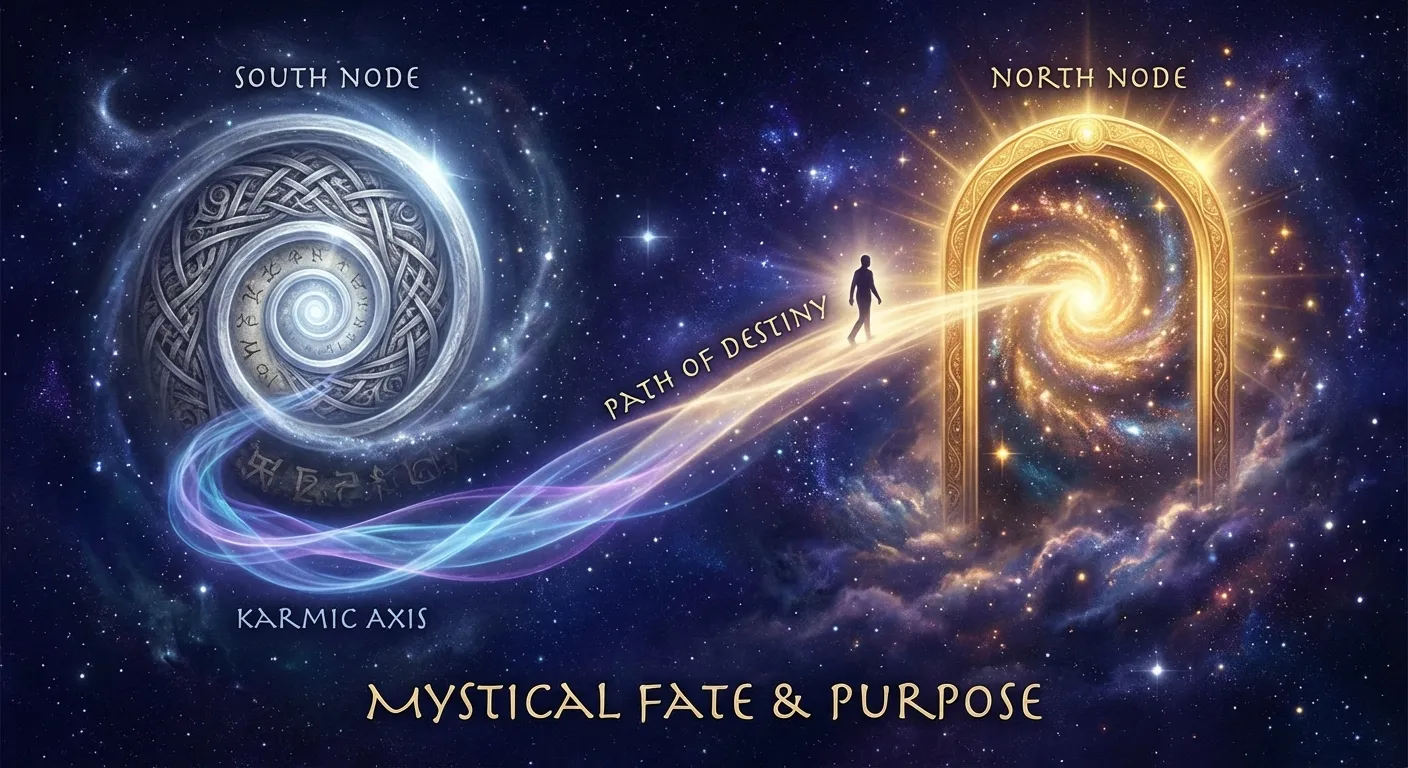
The Lunar Nodes transit through your chart every 18.6 years, activating your karmic path. When transiting nodes contact natal planets, they illuminate your destiny and past-life patterns. These are powerful times for soul growth and life direction changes.
Track Your Personal Transits
See which transits are currently activating your chart, and what themes they're bringing into your life. Our transit tracker shows you the cosmic weather for your specific birth chart.
View Your Transit Calendar→Frequently Asked Questions
What does "transit" mean in astrology?▼
How long do transits last?▼
Is Mercury Retrograde really that bad?▼
Can transits predict the future?▼
What's the difference between a transit and a progression?▼
When should I pay most attention to transits?▼
Navigate Your Cosmic Weather
Enter your birth details to see exactly which transits are affecting you right now and in the coming months.
Track Your Transits→